
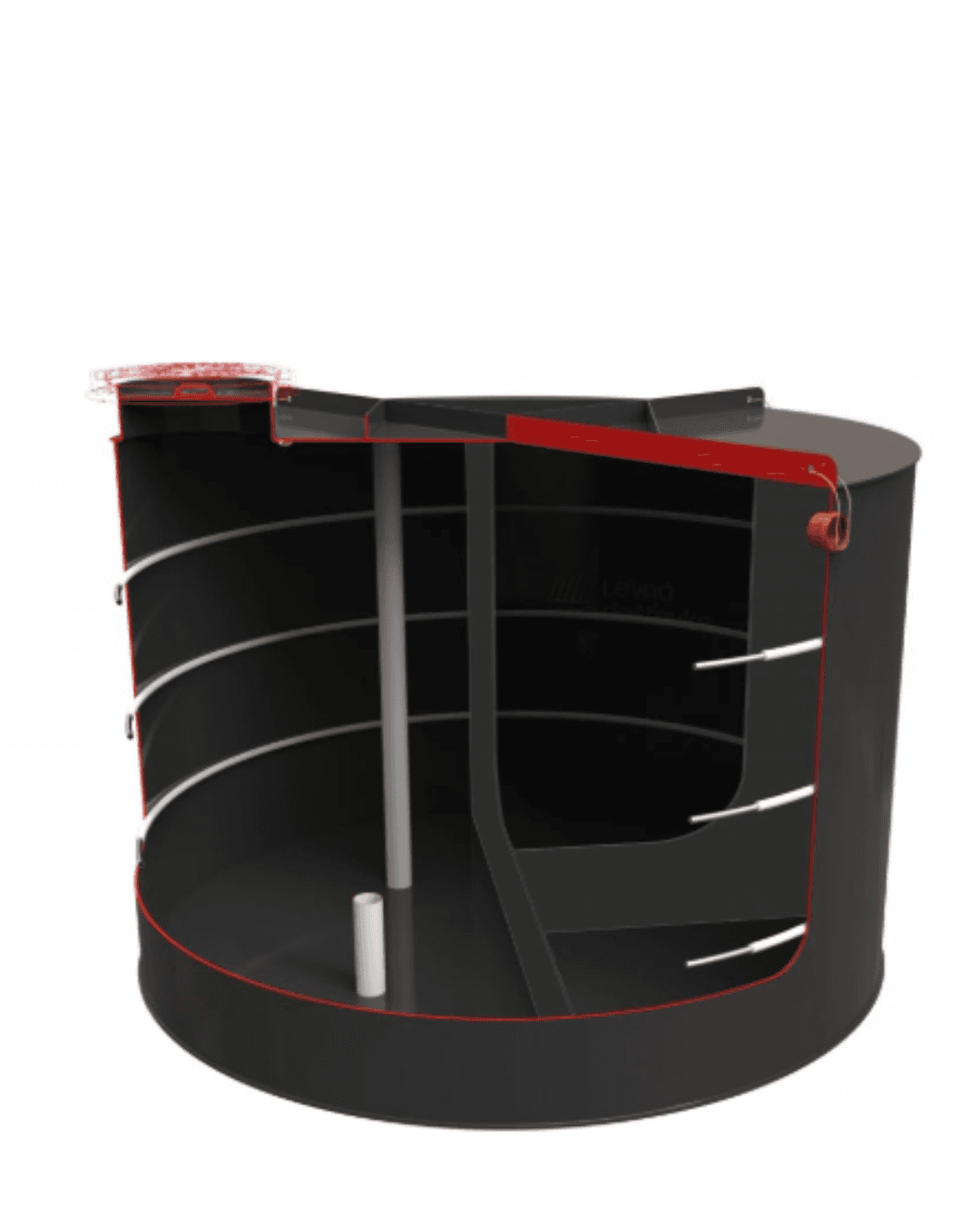
Septic tanks for concreting 10 m³
€1,819.96
Septic tank for concreting . Reinforced ecopolymer and proper ribbing ensure an ideal combination for installation in deteriorating conditions.
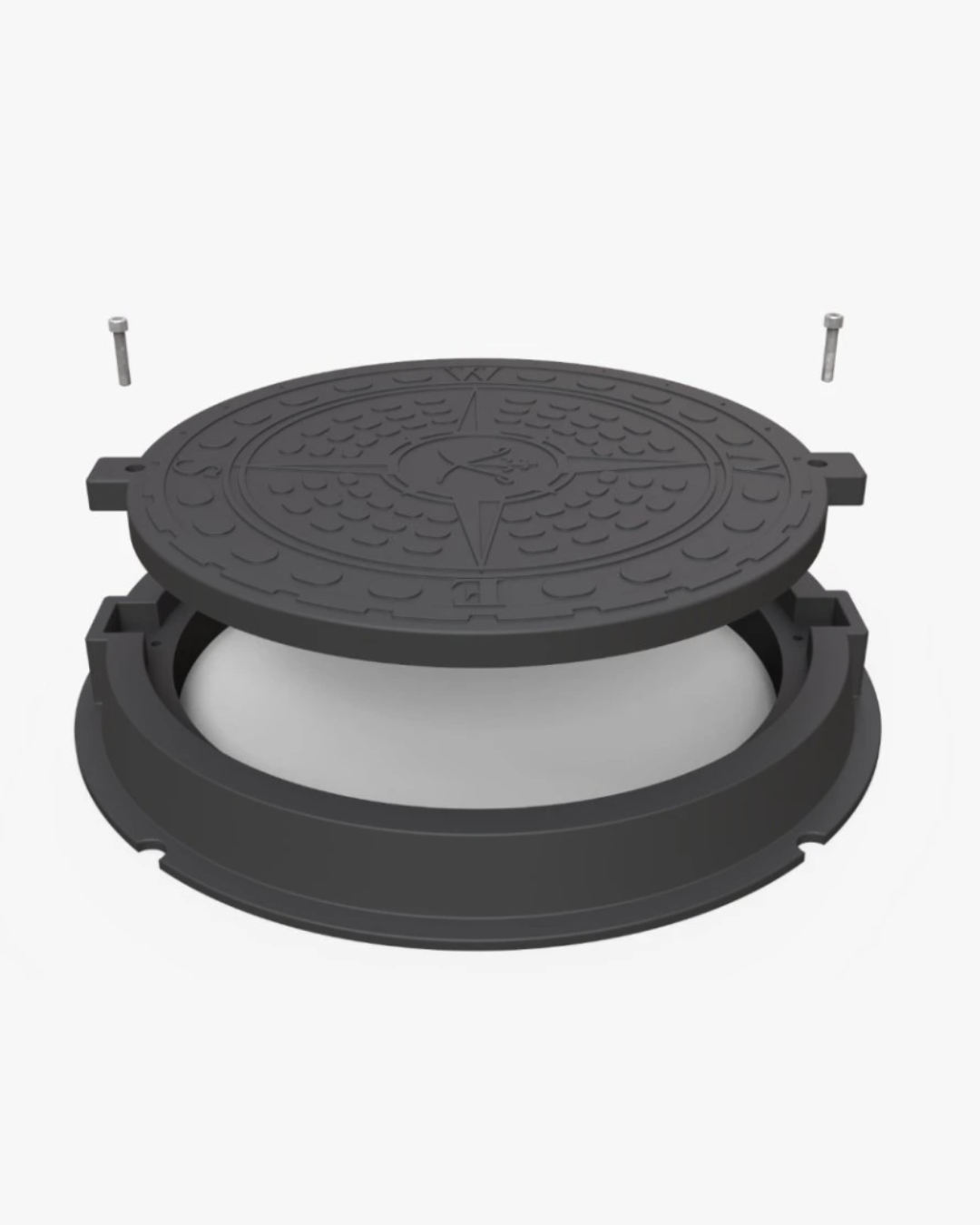
Increasingly, we encounter situations where the water management authority does not allow us to connect to the sewage system due to full or overloaded capacities. In such cases, we have two possible solutions for managing wastewater: using a cesspool or a septic tank.
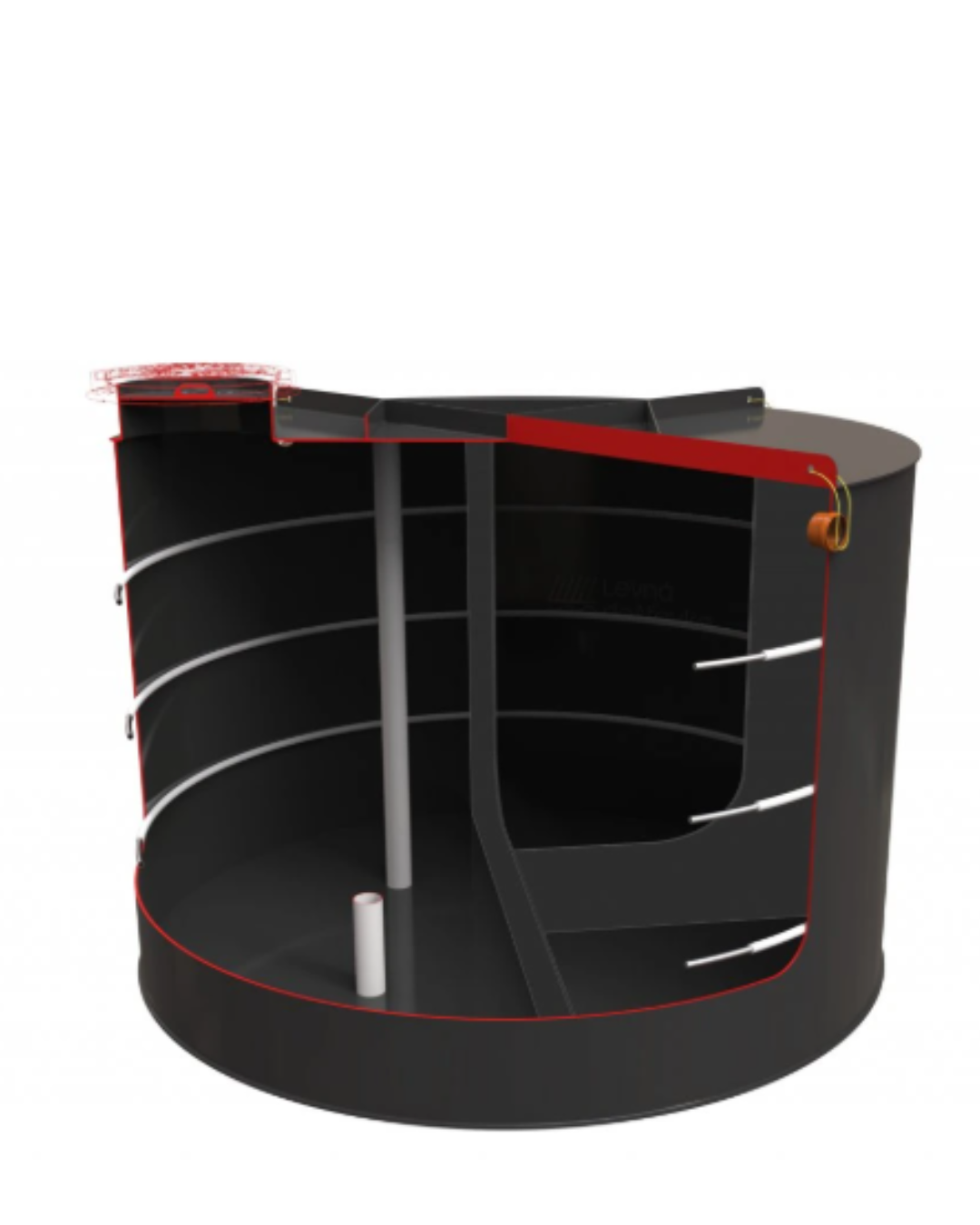
A septic tank presents an ideal solution, featuring three chambers inside. Solid waste remains mainly in the largest primary chamber, from which water overflows into other chambers for further purification. Microbes and other purification methods, such as oxygenation within the primary chamber, ensure a decrease in sludge, unlike in a cesspool where sludge accumulates. Consequently, the need for septic tank sludge removal is less frequent.
The water that flows from the septic tank undergoes primary purification, making it ideal to install a subsurface soil filter after the septic tank to further cleanse the water to a secondary level.
This purified water can be infiltrated on one's property, stored in a tank for technical purposes like irrigation, car washing, etc. It can also be connected to rainwater drainage, streams, ponds, etc.
Standard septic tank equipment:
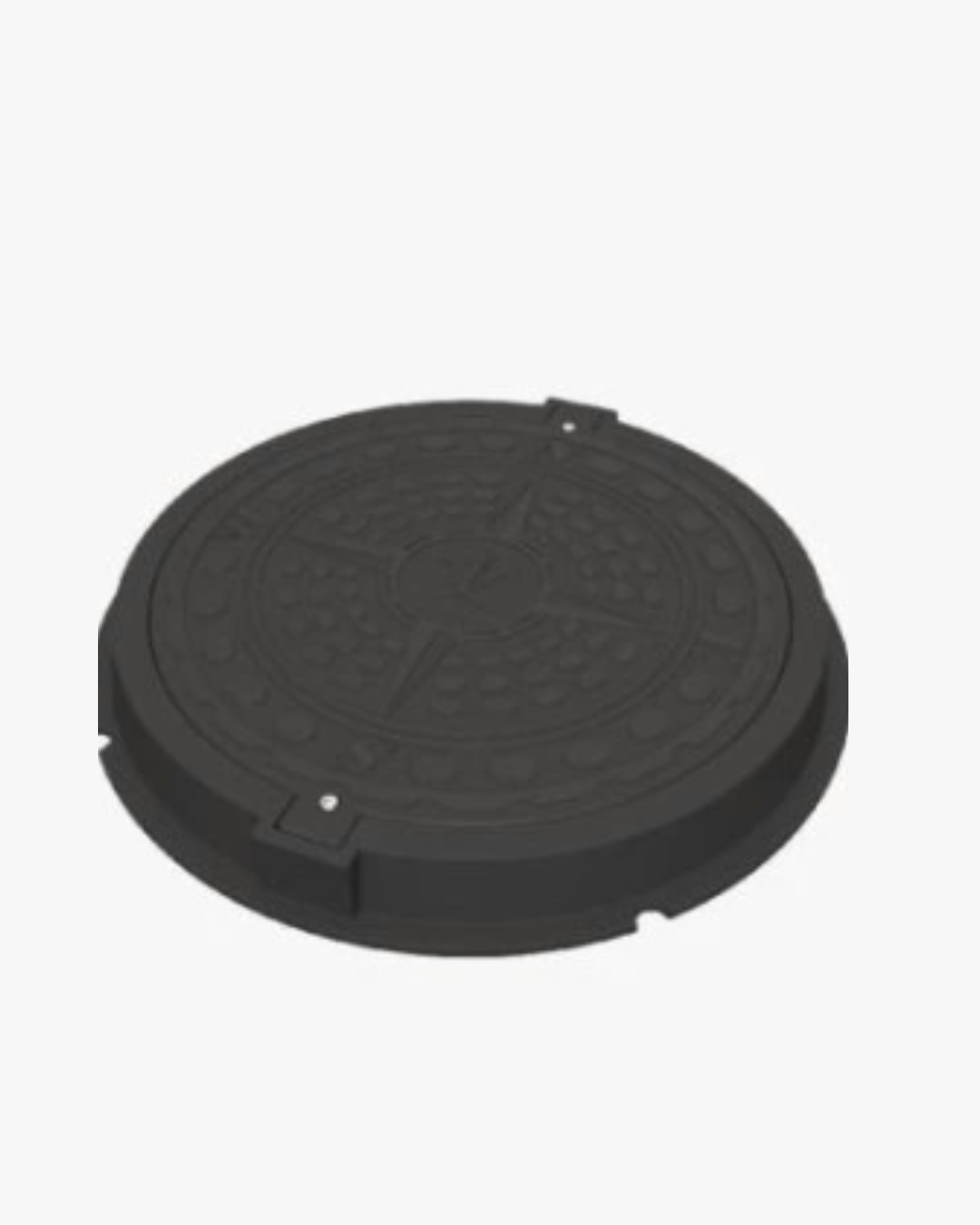
- Unique composite safety cover
- Internal and external reinforcements
- Mounting brackets
- Integrated inlet DN160
- Integrated outlet DN160
Additional septic tank equipment:
- Covers
Parameters:
| m³ | Volume (liters) | Internal Dimensions DxH (cm) | Weight (kg) |
|---|---|---|---|
| 2 | 2000 | 195 x 67 | 68 |
| 3 | 3000 | 195 x 100 | 81 |
| 4 | 4000 | 195 x 133 | 93 |
| 5 | 5000 | 195 x 175 | 109 |
| 6 | 6000 | 195 x 199 | 118 |
| 7 | 7000 | 245 x 150 | 133 |
| 8 | 8000 | 245 x 175 | 145 |
| 9 | 9000 | 245 x 199 | 156 |
| 10 | 10000 | 292 x 150 | 170 |
| 12 | 12000 | 292 x 175 | 180 |
| 14 | 14000 | 292 x 199 | 197 |